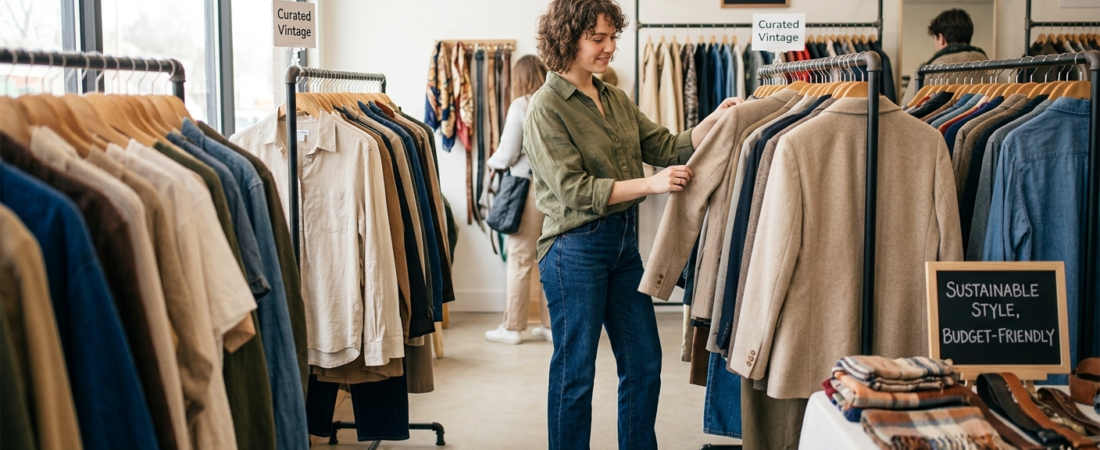
In recent years, the environmental impact of the fashion industry has come under intense scrutiny. The rise of fast fashion has led to increased pollution, waste, and unethical labor practices. As a result, many consumers are looking for ways to transition to a more conscious approach to dressing.
But a common misconception is that building a sustainable wardrobe is expensive. While some ethical brands have higher price points due to fair wages and sustainable materials, creating an eco-friendly closet doesn’t have to break the bank. In fact, sustainability at its core is about consuming less and making conscious choices.
Here is a practical guide on how to start your journey toward Sustainable Fashion Clothing without overspending.
1. Shop Your Own Closet First (Cost: $0)
The most sustainable garment is the one you already own. Before you buy anything new, dedicate time to thoroughly auditing your current wardrobe.
- Rediscover: Pull everything out. You’ll likely find items you’ve forgotten about or haven’t worn in months.
- Declutter Mindfully: Be honest about what you wear. If something doesn’t fit or isn’t your style anymore, set it aside. Don’t throw it in the trash. We’ll discuss how to dispose of these items responsibly later.
- Re-style: Try new combinations. Layer dresses over t-shirts, belts over blazers, or tuck shirts differently. Look up outfit inspiration online using items you already own. You might find you don’t need new clothes, just new ways to wear them.
2. Embrace the “Buy Less, Choose Well” Mantra
The foundation of a sustainable wardrobe isn’t necessarily buying from “sustainable brands”; it’s reducing overall consumption.
- Wait Before You Buy: When you feel the urge to shop, implement a “30-day rule.” If you still want the item after a month, consider buying it. This eliminates impulsive purchases of fast fashion trends that quickly go out of style.
- Invest in Basics: Prioritize versatile, high-quality basics that form the foundation of many outfits. A classic white t-shirt, a versatile blazer, or well-fitting jeans will get much more wear than a trendy piece.
3. Mastering the Art of Second-Hand Shopping
Shopping second-hand is one of the most effective and affordable ways to access Sustainable Fashion Clothing. It keeps perfectly good clothing out of landfills and reduces the demand for new production.
- Thrift Stores: Visiting local charity or thrift shops requires patience, but you can find unique, high-quality vintage items for a fraction of their original cost.
- Online Marketplaces: Platforms like Poshmark, Depop, Vinted, and ThredUp make it easy to search for specific brands, styles, or sizes second-hand. You can often find gently used items from ethical brands here.
- Vintage Shops: While sometimes more expensive than thrift stores, vintage shops offer curated collections of durable, unique clothing that has already stood the test of time.
4. Clothing Swaps and Community
Getting your community involved is free and fun.
- Host a Clothing Swap: Gather a group of friends, colleagues, or neighbors. Everyone brings items they no longer want and swaps them. It’s a great way to refresh your wardrobe without spending a dime and ensure your unwanted clothes go to a good home.
- Rent for Special Occasions: For events like weddings or galas, where you might only wear an outfit once, consider renting instead of buying. Services like Rent the Runway or Nuuly provide access to high-end clothing without the commitment or price tag of purchasing.
5. Prioritize Natural Fabrics and Quality Over Quantity
When you do decide to purchase a new item, focus on materials and construction.
- Check the Label: Opt for natural, biodegradable, or recycled fibers. Look for:
- Organic Cotton
- Linen
- Hemp
- Tencel/Lyocell
- Recycled Polyester or Wool
- Avoid conventional synthetics like virgin polyester and nylon, which are derived from fossil fuels and shed microplastics.
- Assess the Quality: Before purchasing, inspect the garment. Are the seams straight and secure? Is the fabric sturdy? Are the buttons sewn on tightly? Investing slightly more in a well-made item that lasts for years is more sustainable (and cheaper in the long run) than buying multiple cheap, poorly made alternatives.
6. Extend the Life of Your Garments
The way you care for your clothes significantly impacts their lifespan and environmental footprint.
- Wash Less and Cold: Not every item needs washing after one wear. Laundering less frequently, using cold water, and air-drying conserves energy and helps fabrics last longer.
- Learn Basic Repairs: Knowing how to sew on a button, fix a loose hem, or mend a small tear can save an item from the bin. There are countless free tutorials online for basic clothing repair.
Conclusion
Starting a sustainable wardrobe is a journey, not an overnight transformation. It’s about making mindful, incremental shifts in your consumption habits. By prioritizing what you already own, embracing the second-hand market, and focusing on quality over quantity, you can successfully build a stylish and eco-friendly closet that fits your budget. Your journey toward Sustainable Fashion Clothing starts with making conscious choices, one garment at a time.